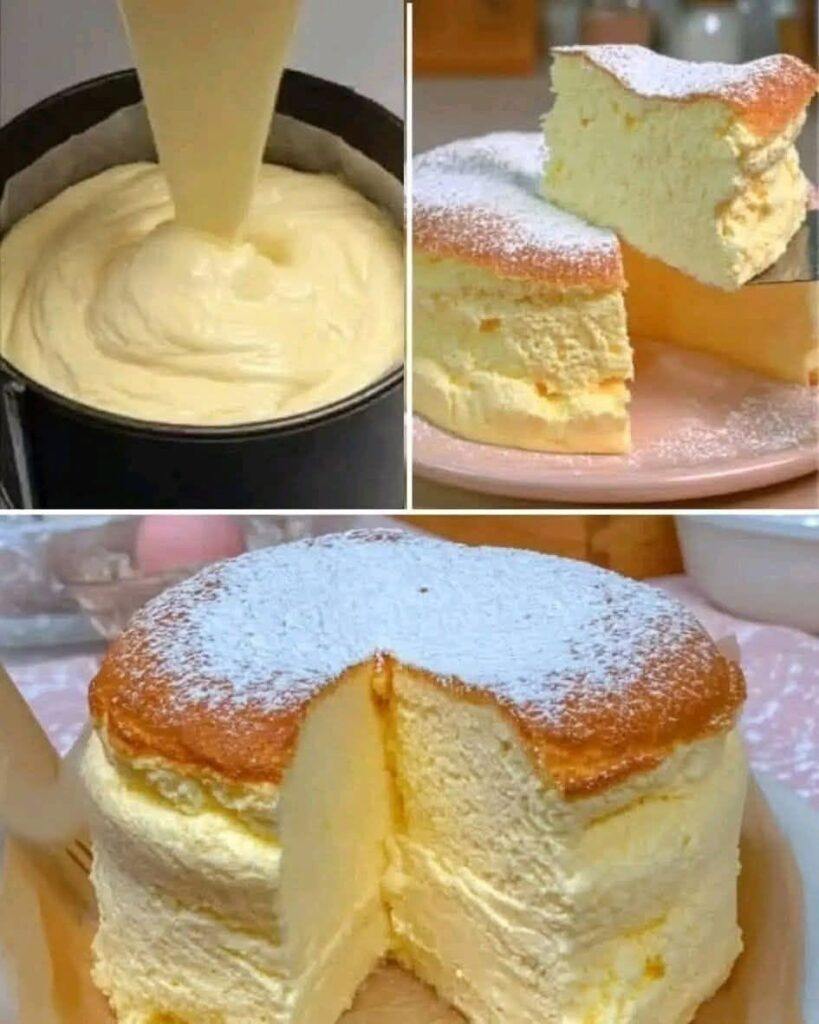
Engaging Introduction
ADVERTISEMENT
ADVERTISEMENT
There’s something unforgettable about a warm homemade butter cake fresh from the oven. Soft, rich, and soaked in a sweet buttermilk glaze, this classic Southern dessert tastes like pure comfort in every bite.
I still remember the first time I tasted a真正的 Southern butter cake. I was visiting a friend in Georgia, and her grandmother had just pulled one out of the oven. The kitchen smelled like vanilla and butter and something else I couldn’t name—nostalgia, maybe. Or love.
ADVERTISEMENT
She cut me a thick slice, still warm, and poured a golden buttermilk sauce over the top. The sauce seeped into every tiny hole of the cake, pooling on the plate like liquid gold. I took a bite, and my eyes closed involuntarily. It was the kind of dessert that makes you stop talking and just feel.
ADVERTISEMENT
“That’s my mama’s recipe,” the grandmother said, smiling. “Been making it for sixty years. Never fails.”
She was right. It never fails.
This cake is everything a Southern dessert should be: simple enough to make on a weekday, special enough to serve at a holiday. No fancy ingredients. No complicated techniques. Just butter, sugar, eggs, flour, and that secret weapon of Southern bakers—buttermilk.
The cake itself is tender, golden, and fragrant with vanilla. The buttermilk sauce is the real star—thin enough to soak in, rich enough to feel decadent, and tangy enough to balance the sweetness. Together, they create a dessert that’s been bringing families to the table for generations.
Let me show you how to make it.
Why You’ll Love This Southern Butter Cake
Let me be honest with you. I’ve made a lot of cakes. Layer cakes, pound cakes, Bundt cakes, angel food cakes. This one is different.
-
Tender, moist crumb – The buttermilk keeps it soft for days.
-
Simple ingredients – You probably have everything in your kitchen right now.
-
No fancy equipment – A bowl, a whisk, and a cake pan.
-
One cake, two ways – Eat it plain (delicious) or drenched in buttermilk sauce (heavenly).
-
Make-ahead friendly – Tastes even better the next day.
-
Freezes beautifully – Make two. Save one for later.
Ingredients – Simple, Southern, Perfect
For the Vanilla Butter Cake:
-
2 cups (250g) all-purpose flour
-
1 teaspoon baking powder
-
½ teaspoon baking soda
-
¼ teaspoon salt
-
1 cup (2 sticks / 226g) unsalted butter, softened to room temperature
-
2 cups (400g) granulated sugar
-
4 large eggs, room temperature
-
1 cup (240ml) buttermilk, room temperature
-
2 teaspoons vanilla extract
For the Buttermilk Sauce:
-
½ cup (1 stick / 113g) unsalted butter
-
1 cup (200g) granulated sugar
-
½ cup (120ml) buttermilk
-
1 teaspoon vanilla extract
-
¼ teaspoon baking soda (this prevents curdling – don’t skip!)
Optional (For Serving):
-
Powdered sugar (for dusting)
-
Fresh berries (strawberries, blueberries, raspberries)
-
Whipped cream (lightly sweetened)
Substitutions & Swaps:
-
No buttermilk? Make your own: add 1 tablespoon lemon juice or white vinegar to 1 cup milk. Let sit for 5-10 minutes until thickened.
-
No unsalted butter? Use salted butter, but reduce the salt in the recipe to a pinch.
-
Gluten-free: Use a 1:1 gluten-free flour blend with xanthan gum (King Arthur, Bob’s Red Mill). Add 2 tablespoons extra buttermilk.
-
Dairy-free: Use vegan butter and unsweetened almond milk + 1 tablespoon lemon juice (as buttermilk substitute). The texture will be slightly different but still delicious.
Step-by-Step – The Cake
Step 1: Preheat and Prepare
Preheat your oven to 325°F (160°C) . Grease a 10-inch Bundt pan, tube pan, or 9×13-inch baking dish with butter or nonstick spray. For a Bundt pan, dust with flour (or use Baker’s Joy).
Pro tip: A Bundt pan gives you beautiful ridges for the sauce to pool in. But a 9×13 works beautifully too.
Step 2: Whisk Dry Ingredients
In a medium bowl, whisk together the flour, baking powder, baking soda, and salt. Set aside.
Step 3: Cream the Butter and Sugar
In a large mixing bowl (or stand mixer with paddle attachment), beat the softened butter on medium speed until creamy and smooth (about 1 minute). Add the granulated sugar and beat for another 2-3 minutes, until light, fluffy, and pale in color.
Pro tip: Scrape down the sides of the bowl with a spatula. This ensures even mixing.
Step 4: Add Eggs (One at a Time)
Add the eggs one at a time, beating well after each addition. The mixture should look smooth and glossy. Add the vanilla extract and beat until combined.
Step 5: Alternate Dry and Wet Ingredients
Add about one-third of the dry ingredients to the butter mixture. Mix on low speed until just combined. Add half the buttermilk. Mix until just combined. Repeat: dry, buttermilk, dry.
Do not overmix. Overmixing develops gluten, which makes the cake dense and tough. Stop when the flour just disappears.
Step 6: Bake
Pour the batter into your prepared pan. Smooth the top with a spatula.
Bake at 325°F for 55-65 minutes (Bundt pan) or 35-45 minutes (9×13 pan). A toothpick inserted into the center should come out clean or with a few moist crumbs (not wet batter).
If the top is browning too quickly: Loosely tent with aluminum foil for the last 15 minutes of baking.
Step 7: Cool (But Not Completely)
Let the cake cool in the pan for 15 minutes. Then invert onto a wire rack (for a Bundt pan) or leave in the pan (for a 9×13). For the best sauce absorption, the cake should be warm when you pour the buttermilk sauce over it.
Step-by-Step – The Buttermilk Sauce (Make While the Cake Bakes)
This sauce is simple, fast, and absolutely essential.
Step 1: Combine Ingredients
In a medium saucepan, combine the butter, sugar, buttermilk, vanilla, and baking soda.
Step 2: Bring to a Gentle Boil
Cook over medium heat, stirring frequently, until the butter melts and the sugar dissolves. Bring to a gentle boil.
Step 3: Boil for 1 Minute
Let the sauce boil for 1 minute, stirring constantly. Remove from heat.
Pro tip: Don’t walk away. Buttermilk sauce can boil over quickly. Stir constantly.
Step 4: Let It Cool Slightly
Let the sauce sit for 2-3 minutes before pouring over the cake. You want it warm, not boiling hot.
How to Assemble (The Magic Moment)
Option 1: Bundt Pan (Traditional)
Poke holes all over the warm cake with a toothpick or skewer (while it’s still on the rack). Place the rack over a baking sheet (to catch drips). Slowly pour the warm buttermilk sauce over the cake, allowing it to soak in.
Pro tip: Pour slowly. Let the sauce absorb before adding more.
Option 2: 9×13 Pan (Easier)
Leave the cake in the pan. Poke holes all over the surface with a fork or skewer. Pour the warm buttermilk sauce over the cake. Let it sit for 30 minutes to absorb.
Final Step: Serve
Serve the cake warm or at room temperature. Spoon extra sauce from the bottom of the pan over each slice. Top with fresh berries and whipped cream if desired.
My Best Tips for Butter Cake Success
-
Use room temperature ingredients. Cold butter and eggs won’t cream properly. Cold buttermilk can cause the batter to curdle. Leave everything on the counter for 30-60 minutes before starting.
-
Don’t overmix. Overmixing develops gluten, which makes the cake dense and tough. Mix just until the flour disappears.
-
Don’t open the oven door during baking. Every time you open the door, heat escapes and the temperature drops. Trust the timer.
-
Poke holes before pouring the sauce. The holes allow the sauce to penetrate the cake, not just sit on top. This is essential.
-
Warm cake + warm sauce = best absorption. Don’t let the cake cool completely before adding the sauce.
-
Serve the same day or next day. This cake actually improves overnight as the flavors meld.
Variations (Once You’ve Mastered the Original)
Lemon Butter Cake – Add 1 tablespoon lemon zest to the cake batter. Add 1 tablespoon lemon juice to the buttermilk sauce.
Coconut Butter Cake – Add ½ cup sweetened shredded coconut to the cake batter. Add ½ teaspoon coconut extract to the sauce.
Almond Butter Cake – Replace ½ teaspoon vanilla with almond extract. Top with sliced almonds before serving.
Chocolate Butter Cake – Add ¼ cup unsweetened cocoa powder to the dry ingredients (reduce flour by ¼ cup). Serve with chocolate ganache instead of buttermilk sauce.
Peach Butter Cake – Fold 1 cup diced fresh or canned peaches into the batter. Serve with fresh peach slices.
Cinnamon Streusel Butter Cake – Mix ½ cup brown sugar, ½ cup chopped pecans, and 1 teaspoon cinnamon. Sprinkle half in the bottom of the pan before adding batter. Sprinkle the rest on top before baking.
How to Store, Freeze, and Make Ahead
Room temperature: Store covered at room temperature for up to 3 days. The cake stays moist.
Refrigerator: Store in an airtight container for up to 5 days. Bring to room temperature before serving (or warm slightly in the microwave).
Freezer (cake without sauce): Wrap the cooled cake tightly in plastic wrap, then foil. Freeze for up to 3 months. Thaw overnight in the refrigerator. Serve at room temperature or warm slightly.
Freezer (cake with sauce): The sauce may separate when frozen and thawed. It’s best to freeze the cake without sauce and make fresh sauce when ready to serve.
Make ahead for parties: Bake the cake a day ahead. Store at room temperature. Make the buttermilk sauce fresh on the day of serving. Warm the sauce and pour over the cake (poke holes first). Serve within an hour for best texture.
Frequently Asked Questions
Why is my cake dense and heavy?
Overmixed batter (developed gluten) or too much flour (measure by spooning and leveling, not scooping). Also, old baking powder or baking soda won’t provide enough lift.
Why is my cake dry?
Overbaked (check early) or too much flour. Also, not enough buttermilk. Next time, add an extra tablespoon of buttermilk.
Can I use cake flour instead of all-purpose?
Yes. Use 2 ¼ cups cake flour instead of 2 cups all-purpose. Reduce baking powder to ½ teaspoon. The cake will be even more tender.
What’s the best pan for this cake?
A 10-inch Bundt pan is traditional and beautiful. A 9×13 baking dish is easier and works perfectly. You can also use two 8-inch round cake pans (bake for 25-30 minutes).
Can I make this into cupcakes?
Yes. Fill cupcake liners ⅔ full. Bake at 350°F for 18-22 minutes. Poke holes and brush with buttermilk sauce while warm.
My buttermilk sauce curdled. What happened?
You forgot the baking soda, or you boiled it too long. The baking soda prevents curdling. If it curdles, strain through a fine-mesh sieve. It won’t look pretty, but it will still taste delicious.
Can I double the sauce?
Yes. Double all sauce ingredients. You may have extra – serve it on the side for people to add more.
A Sweet, Southern Conclusion
LOOK NEXT PAGE
See more on the next page to continue reading →
ADVERTISEMENT